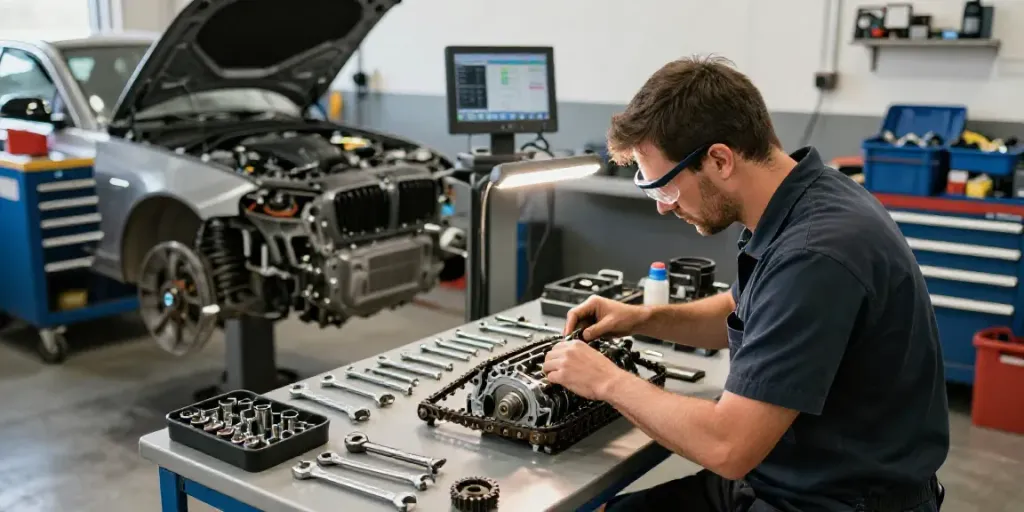
Understanding the Importance of Timing Chain Maintenance
The timing chain is a critical component of your BMW's engine, ensuring that the engine's valves open and close at the proper times during each cylinder's intake and exhaust strokes. Failing to maintain this component can lead to severe engine damage, resulting in costly repairs. Therefore, understanding the significance of timing chain maintenance, especially in a bustling city like Hannover, is essential for BMW owners. When exploring options, bmw steuerkette hannover provides comprehensive insights into ensuring your vehicle remains in optimal condition.
What is a Timing Chain and Its Functions?
The timing chain is a metallic link that synchronizes the rotation of the engine crankshaft and camshaft, ensuring the engine operates smoothly. Unlike a timing belt, which is made of rubber and typically needs replacement every 60,000 to 100,000 miles, a timing chain is designed to last the lifetime of the engine. However, wear and tear can occur, necessitating periodic inspections and maintenance.
Signs of a Failing Timing Chain
- Engine Noise: A rattling sound coming from the engine could indicate a loose timing chain or worn-out components.
- Oil Sludge: If you notice sludge in the oil, it may suggest that the timing chain is not maintaining proper lubrication.
- Engine Misfires: Misfires can occur if the timing chain has stretched or skipped a tooth, affecting engine performance.
- Check Engine Light: This light may illuminate due to a fault in the timing chain system, indicating the need for immediate attention.
Why Choose Professional Help in Hannover?
Choosing a professional service in Hannover ensures that your BMW receives the expertise needed for timing chain maintenance. Experienced mechanics understand the specific requirements and common issues associated with BMW engines, enabling them to provide effective solutions swiftly. The right professional service can extend the lifespan of your engine and enhance overall vehicle performance.
Choosing the Right BMW Specialist in Hannover
Finding a reliable BMW specialist in Hannover is crucial for maintaining your vehicle's health. The right professional can make a significant difference in ensuring your timing chain and other engine components are in excellent condition. With various options available, it’s essential to know what to look for when selecting a service center.
What to Look for in a BMW Repair Shop
When searching for a BMW repair shop, consider the following factors:
- Certifications: Ensure the technicians are certified and experienced in working with BMW vehicles.
- Reputation: Look for reputable shops with positive customer reviews and testimonials.
- Service Range: A shop that offers a broad range of services, including timing chain replacement, can be beneficial.
- Warranty: Check if they offer warranties on parts and labor, which can provide peace of mind.
Customer Reviews and Testimonials: An Essential Insight
Customer feedback can provide valuable insights into the quality of service you can expect from a repair shop. Reading reviews on trusted platforms can help you identify strengths and weaknesses of potential service providers. Look for consistent positive remarks regarding customer service, expertise, and reliability.
Cost Comparisons: Finding Value for Your Service
Cost is certainly a consideration when selecting a BMW repair shop. While it’s tempting to choose the cheapest option, remember that this can sometimes lead to subpar service. Instead, compare prices from different specialists and consider the value of the service offered. High-quality repairs may save you money in the long run by preventing future issues.
Best Practices for Maintaining Your BMW's Timing Chain
Proper maintenance of your BMW's timing chain can reduce the likelihood of failures and extend its lifespan. Below are several best practices to follow to ensure optimal performance.
Regular Maintenance Checks: What to Include
Incorporate the following checks into your regular maintenance routine:
- Fluid Levels: Regularly check engine oil levels, as adequate lubrication is essential for timing chain health.
- Noises: Listen for unusual engine noises during operation.
- Inspection: Have your timing chain inspected during routine service intervals to catch potential issues early.
How Driving Style Affects Timing Chain Longevity
Your driving style can significantly impact the lifespan of your timing chain. Aggressive driving, frequent stop-and-go situations, and heavy loads can increase strain on the engine and timing chain, leading to earlier wear.
Tools and Equipment for DIY Maintenance
For those who prefer DIY maintenance, having the right tools is essential. A quality torque wrench, a comprehensive automotive tool set, and specific BMW repair manuals can aid in effective maintenance. However, always consider consulting with a professional for complex tasks like timing chain replacement.
Common Misconceptions About BMW Timing Chains
Understanding common misconceptions can prevent misinformation when it comes to timing chains:
Myths Versus Facts About Timing Chain Failures
- Myth: Timing chains never need replacing.
- Fact: While they last longer than belts, timing chains can still wear out and require replacement due to various factors.
- Myth: All BMW engines are the same.
- Fact: Different engines have unique requirements, and it’s essential to understand these variations.
Understanding Engine Types and Their Timing Chain Needs
Different BMW engines have varying timing chain designs and needs. For instance, the N20 and N47 engines are known to have more timing chain issues than others. Knowing your engine type helps tailor maintenance practices and expectations.
How to Avoid Scams in Auto Repairs
Scams can be prevalent in the auto repair industry. Research potential shops thoroughly, ask for detailed estimates, and seek second opinions when necessary. Always ensure that the service you receive is well-documented, and keep track of your maintenance records.
Future Trends in BMW Timing Chain Technology
As technology evolves, so does the maintenance of BMW vehicles. The future may bring innovations that enhance the performance and longevity of timing chains.
Innovations on the Horizon for BMW Engines
Expect advancements in materials and designs that may lead to more durable and efficient timing chain systems. Innovations such as variable valve timing and adaptive engine technology are on the rise, potentially changing how we approach engine maintenance.
Predicted Costs and Benefits of New Technologies
While the initial costs of these technologies may be high, the long-term benefits, including reduced maintenance needs and enhanced performance, could outweigh the expenses. As these systems become standard, they may redefine maintenance strategies for BMW owners.
The Impact of Electric Vehicles on Traditional Engine Maintenance
With the rise of electric vehicles, traditional engine maintenance practices will also evolve. Timing chains may become less of a concern for hybrid and electric BMW models, but understanding the shift in maintenance needs is crucial as the automotive landscape changes.
How much does it cost to replace a timing chain on a BMW?
On average, replacing a timing chain on a BMW can cost anywhere from $1,000 to $3,000, depending on the model and labor costs in your area. It's advisable to get an estimate from a reliable BMW specialist.
Which BMW engines are prone to timing chain issues?
Engines like the N47, N20, and B47 models have been reported to experience timing chain issues. Regular maintenance and timely inspections can help mitigate these problems.
How often should a BMW timing chain be replaced?
Unlike timing belts, which have a set replacement interval, timing chains are generally designed to last the life of the engine, but should still be inspected regularly for signs of wear, especially if the vehicle has high mileage.
What are the signs that my BMW timing chain needs changing?
Signs include unusual rattling noises from the engine, oil sludge, engine misfires, or the check engine light illumination. If you notice any of these symptoms, it’s advisable to consult a professional immediately.
Can I replace the timing chain myself?
While experienced DIYers may be able to replace the timing chain, it is a complex task that requires specific knowledge and tools. Consulting a professional can ensure that the job is done safely and correctly.