Understanding Alternatives to QOVES
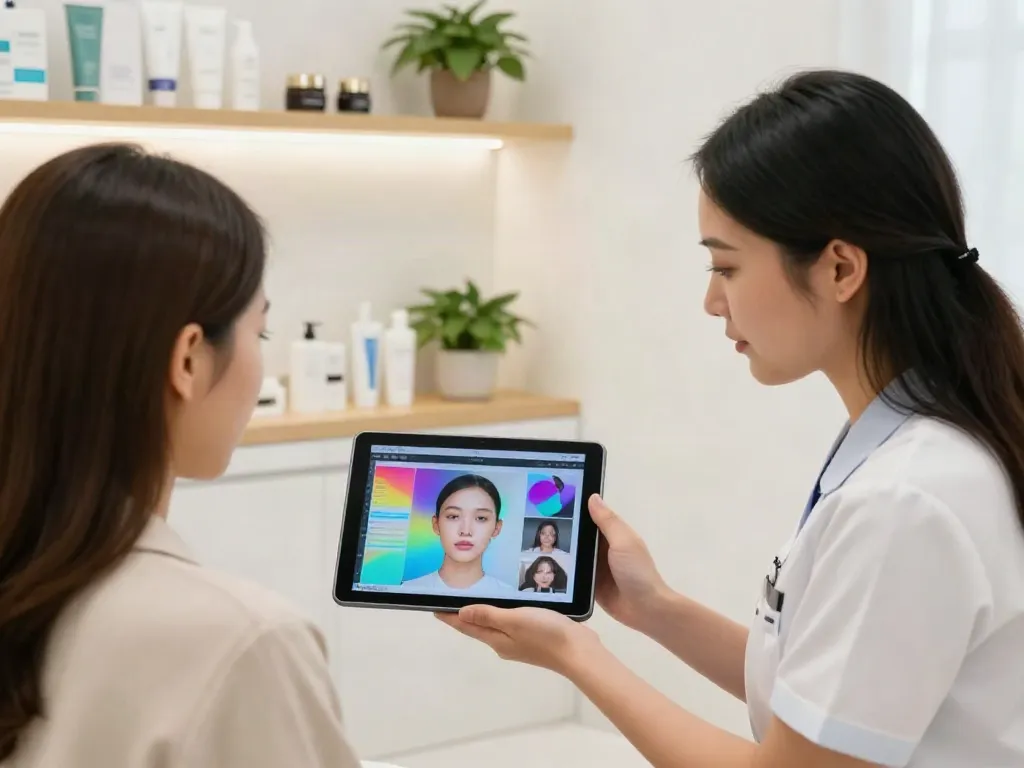
As the digital landscape evolves, so does the way we approach beauty and self-improvement. Services like QOVES have introduced a unique blend of technology and personal analysis, allowing users to gain insights into their facial aesthetics. However, with the increasing popularity of such applications, many users find themselves exploring various Alternatives to QOVES that may offer different features, pricing, and user experiences. This article delves into some noteworthy alternatives, how they compare to QOVES, and crucial factors to consider when selecting a service.
What is QOVES and Its Membership Costs?
QOVES is a facial analysis service that provides users with insights into their attractiveness based on various aesthetic criteria. Publicly listed at $150 per year, the service not only promises a personalized protocol but also states that each analysis is reviewed by a team of experts. The membership includes access to visuals and recommendations tailored specifically to enhance the user’s facial features, delivered within 28 days of enrollment. While this might sound appealing to many seeking guidance on their looks, it's important to consider other available options that may align better with individual preferences and budgets.
The Importance of Facial Analysis Services
Facial analysis services play a significant role in the increasingly self-aware society we live in. These platforms aim to provide users with a better understanding of their facial aesthetics, offering constructive feedback that can lead to improved grooming, skincare, and overall confidence. By using advanced algorithms and sometimes even human specialists, they can generate tailored recommendations that enhance an individual’s appearance.
How to Choose the Right Service for You
Choosing the right facial analysis service involves understanding your own needs and expectations. Key considerations include:
- Service Type: Do you want a comprehensive review by specialists, or are you looking for a quick score from an AI app?
- Cost: Analyze whether the service fits your budget, especially when considering yearly costs versus monthly subscriptions.
- Feedback Mechanism: Determine if you want a human-reviewed plan or an automated assessment.
- Continuity: Consider if the service offers follow-up analysis to track your progress over time.
Top 5 Competitors to QOVES
Understanding the landscape of facial analysis services can help you make informed decisions. Below are five notable alternatives to QOVES, each offering unique features and pricing structures.
Overview of ClinicEvo and Its Unique Features
ClinicEvo provides a monthly membership priced at $12, significantly lower than QOVES’ annual fee. This service combines AI facial analysis with human review, delivering a personalized EvoPlan™ within five business days. Users appreciate the fact that their reports are vetted by trained aesthetics specialists, ensuring a balanced perspective on their features and potential improvements.
Pros and Cons of Umax as a QOVES Alternative
Umax is a popular app known for its quick and straightforward approach to facial analysis. Users can receive an AI-generated attractiveness score based on a selfie, along with aesthetic recommendations. While Umax is user-friendly and offers instant insights, it lacks the human review component, which some users may find less reassuring compared to QOVES or ClinicEvo.
LooksMax AI: AI-Based Facial Ratings
LooksMax AI stands out by providing an AI-driven evaluation of facial features, focusing on areas such as jawline definition and skin quality. This app presents users with a numerical score and suggestions for improvements. However, similar to Umax, it does not provide a detailed plan reviewed by professionals, which may be a dealbreaker for those desiring a more comprehensive analysis.
Pricing Comparison of Facial Analysis Services
When considering facial analysis services, pricing can significantly influence your choice. Here’s a breakdown of costs associated with QOVES and its alternatives:
Annual Membership Costs: QOVES vs Competitors
QOVES charges $150 per year for its services. In comparison, ClinicEvo's monthly rate totals approximately $144 annually. Umax and LooksMax AI operate on different pricing models, typically offering lower upfront costs but lacking extensive plans or follow-ups.
Exploring Free and Low-Cost Options
For those on a budget, several free alternatives exist, such as PrettyScale and FaceRate.ai. Users can access basic scoring systems without any monetary commitment, though these services provide quick ratings without personalized recommendations.
Value Comparison: What Do You Get?
The value of a facial analysis service can be subjective and varies greatly depending on user expectations. It is crucial to assess what you receive in relation to the cost. With QOVES, you're investing in a professional review system, while some free apps provide a basic, no-frills experience with limited insight.
Key Features to Look for in Facial Analysis Tools
As you navigate the options, certain features can greatly enhance the value of the service you choose. Let’s explore what these features entail.
Human Review vs Automated Ratings
A key consideration when selecting a facial analysis service is whether the results can be reviewed by a human specialist. Services like ClinicEvo offer this advantage, which can lead to a more nuanced understanding of individual features compared to purely automated ratings.
Personalized Plans: Are They Necessary?
Not all users may require intricate, personalized plans. However, for those seeking improvement in their aesthetics, a detailed assessment can be invaluable. Understanding your desired outcomes will guide your decision on whether to opt for a service that provides personalized recommendations.
Continuous Tracking and Follow-Up Services
Continuous tracking of your progress can be beneficial. Some platforms offer follow-up analyses that help monitor improvements over time, keeping users engaged and motivated. This aspect can be pivotal in achieving real, noticeable progress.
Future Trends in Beauty and Facial Analysis Services
The facial analysis industry is continuously evolving, driven by technological advancements and changing consumer expectations. Here are several trends shaping the future.
Emerging Technologies in Beauty Analysis
As artificial intelligence and machine learning continue to advance, we can anticipate more sophisticated analysis tools that offer increasingly personalized experiences. These technologies may lead to more accurate assessments and recommendations tailored to individual user needs.
Consumer Expectations in 2026
Consumers are becoming more discerning, expecting services that not only offer quick assessments but also provide depth and detail in their analysis. Going forward, platforms that blend technological prowess with human expertise will likely gain the most traction.
Expert Predictions for the Industry
Industry experts predict a shift towards more integrative platforms that combine various aspects of beauty analysis, including cosmetic advice, lifestyle recommendations, and even psychological insights related to self-image. This holistic approach could redefine how services are structured.
Is QOVES Worth the Investment?
Ultimately, whether QOVES is worth the investment hinges on personal needs and preferences. For users seeking a detailed, professional review of their facial aesthetics, the service could prove invaluable. However, those looking for a quick, informal assessment might find better alternatives that suit their requirements.
Can You Trust Free Alternatives?
While free alternatives may seem appealing, it’s essential to approach them with caution. They often lack the depth and expertise found in paid services. Users should weigh the trade-offs and determine if the absence of personalized guidance and professional backing is acceptable for their goals.
Where to Find Reviews of QOVES Alternatives?
Consulting online reviews and testimonials can provide valuable insights into the effectiveness of various services. Platforms that aggregate user experiences can guide potential customers in making informed decisions about which facial analysis tool best fits their needs.