Understanding Mini Split AC Units
As we pivot into 2026, many homeowners and renters are seeking efficient and versatile cooling solutions, specifically the mini split ac unit. These systems have gained immense popularity due to their ability to provide both heating and cooling without the need for extensive ductwork. Whether you're aiming to enhance comfort in a single room or an entire home, understanding how these systems work and their advantages can help you make an informed decision.
What is a Mini Split AC Unit?
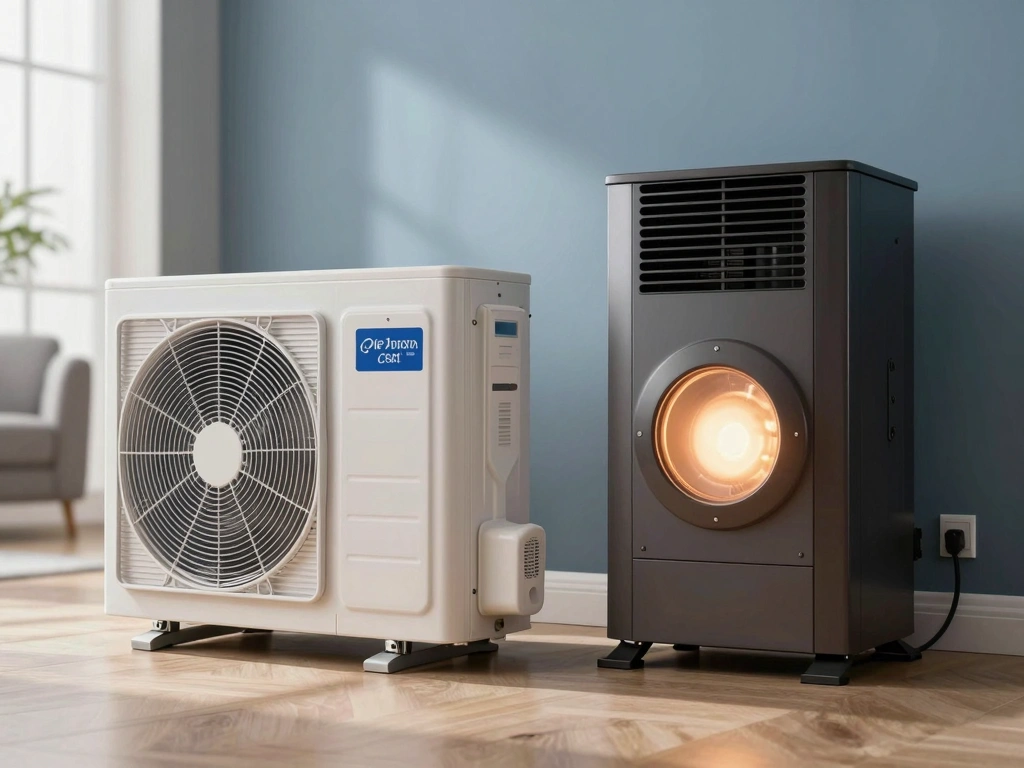
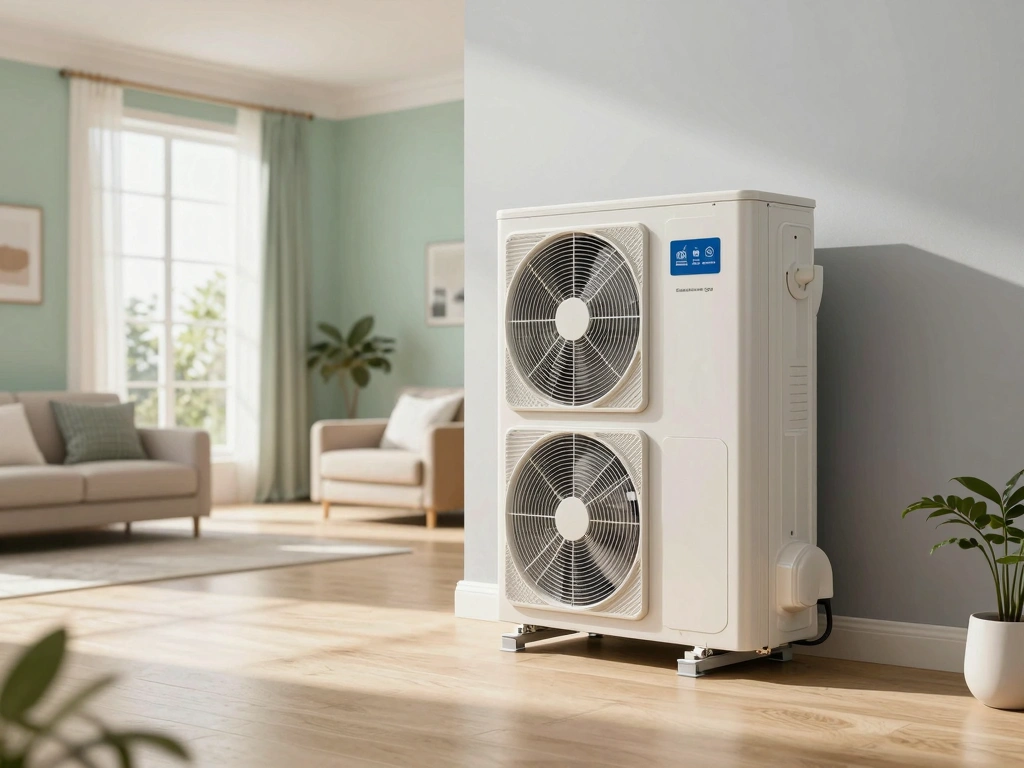
A mini split AC unit, often referred to as a ductless system, consists of two main components: an indoor unit and an outdoor compressor. Unlike traditional central air conditioning systems, which rely on ducts to distribute air, mini splits operate independently in each designated zone. This system allows for greater flexibility in temperature control, making it ideal for various spaces, from residential homes to commercial environments.
Benefits of Mini Split AC Units
Mini split AC units come with a host of benefits, making them an attractive option for many consumers:
- Energy Efficiency: Mini splits are designed to use less energy, often achieving higher seasonal energy efficiency ratios (SEER) compared to conventional systems.
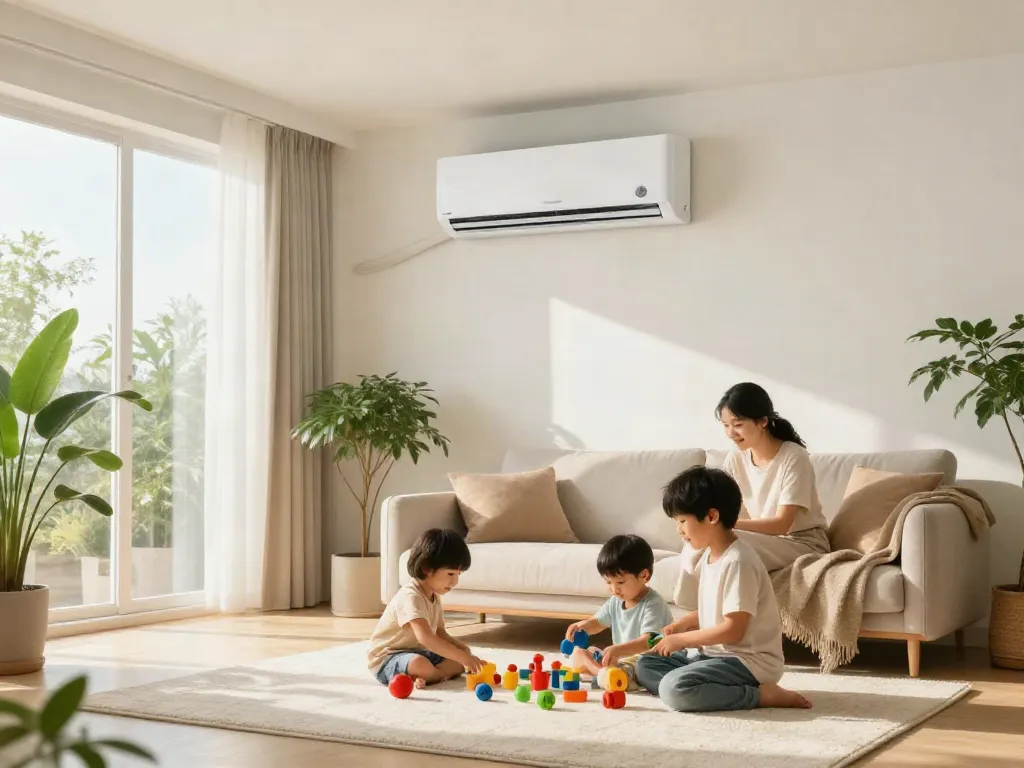
- Reduced Noise Levels: These units operate significantly quieter than window or central air conditioning units, enhancing the comfort of your living spaces.
- Flexible Installation: Because there is no need for ductwork, mini splits can be implemented in spaces where traditional systems are impractical.
- Zone Control: You can adjust the temperature in individual rooms, optimizing energy use and comfort based on your needs.
How Mini Split Systems Work
Mini split systems use a refrigeration cycle to cool the indoor air. The outdoor unit absorbs heat from the air outside and transfers it to the refrigerant, which is then sent to the indoor unit. Here, the refrigerant releases the heat, thereby cooling the air that circulates back into the room. This process can also be reversed for heating, making mini splits a year-round climate control solution.
Key Features to Look For
Energy Efficiency Ratings
When selecting a mini split AC unit, one of the most crucial aspects to consider is its energy efficiency rating. Look for models with a high SEER rating, as these indicate better energy performance, which can lead to substantial savings on electricity bills over time.
Noise Levels and Comfort
Noise levels can vary significantly between models. Consider the decibel (dB) rating of the unit; quieter models typically operate between 19 to 30 dB, comparable to a whisper. Choosing a mini split AC unit with low operational noise is essential for maintaining a comfortable home environment, especially in bedrooms or study areas.
Installation Options and Requirements
Installation can greatly influence the overall performance of your mini split system. Most require a three-inch hole for the refrigerant lines and drain, allowing for a less invasive installation compared to conventional duct systems. It’s advisable to consult with a professional technician to ensure proper installation and optimal performance.
Cost Considerations
Initial Purchase Price of Mini Split AC Units
The initial purchase price of mini split AC units can range from $700 to $5,000, depending on the brand, capacity, and features. Higher-end models often come with better energy efficiency, advanced technology, and longer warranties.
Installation Costs and Labor
Installation costs can vary widely based on your location, the complexity of the installation, and the contractor's expertise. On average, homeowners can expect to pay between $1,000 and $2,500 for professional installation.
Long-Term Energy Savings
While the upfront costs can be substantial, the long-term savings on energy bills can make mini split systems financially advantageous. Homeowners frequently report energy savings of up to 30-40% compared to traditional HVAC systems, especially when utilizing multiple zones.
Maintenance Best Practices
Regular Cleaning and Filter Replacement
To keep your mini split system functioning efficiently, regular maintenance is necessary. This includes cleaning the filters every month or as needed and ensuring the outdoor unit is free of debris, allowing for proper airflow.
Professional Maintenance Services
Scheduling annual maintenance with a qualified HVAC technician can help identify potential issues before they escalate, ensuring longevity and efficiency. Technicians will typically check refrigerant levels, tighten electrical connections, and inspect the overall system operation.
Self-Maintenance Tips for Homeowners
Aside from professional maintenance, homeowners can engage in self-maintenance by regularly dusting and vacuuming around the unit, ensuring clear drainage lines, and monitoring for any unusual noises or performance drops.
Future Trends in Mini Split Technology
Innovations in Energy Efficiency
The HVAC industry is trending towards even greater energy efficiency, with many manufacturers striving to develop systems that meet the needs of environmentally-conscious consumers. Expect to see a rise in inverter technology, which allows units to adjust their speed based on the cooling demand, enhancing energy savings.
Smart Technology Integration
As smart home technology becomes more ubiquitous, many mini split systems are now compatible with home automation systems, allowing users to control their units remotely via smartphone apps. This innovative feature not only enhances user convenience but also promotes energy management and conservation.
Predictions for the HVAC Market in 2026
The HVAC market is poised for significant growth through 2026, driven by increased consumer demand for energy-efficient home solutions and sustainable practices. As technological advancements continue, consumers can expect more affordable, high-performing products that adapt to their living environments.
What are the disadvantages of a mini split?
While mini split systems offer numerous benefits, they may also present some drawbacks, such as higher initial costs, potential aesthetic concerns with indoor units, and the need for professional installation. However, many of these cons can be outweighed by the long-term advantages of efficiency and comfort.
Are mini-split AC units worth it?
In most cases, mini split AC units are indeed worth the investment, especially for homeowners looking to enhance comfort in specific rooms or for those who want to avoid ductwork installation. Their energy efficiency and zoning capabilities can lead to significant savings over time.
How much does it typically cost to install a mini split?
The installation cost typically ranges from $1,000 to $2,500, depending on factors such as the complexity of the installation, the number of zones, and local labor costs. It's essential to get multiple quotes before deciding on a contractor.
Can a mini split heat a house?
Yes, mini split systems can effectively heat a house thanks to their heat pump design, which allows them to reverse the cooling cycle. They provide efficient heating in moderate climates, making them suitable for year-round use.
What is the lifespan of a mini split AC unit?
Typically, mini split AC units can last between 15 to 20 years with proper maintenance. Regular servicing can help extend the life of the unit and ensure optimal performance throughout its lifespan.