CNC Stainless Steel Parts: An Overview
CNC machining has transformed the landscape of manufacturing by enabling the precise creation of complex parts from various materials, including the multifaceted world of stainless steel. Companies like Honscn, with years of experience, exemplify the promise of CNC stainless steel parts through meticulous processes that combine technology, expertise, and responsiveness to custom requirements. When exploring options, cnc stainless steel parts suppliers like Honscn provide comprehensive insights into your manufacturing needs.
Understanding CNC Machining Processes
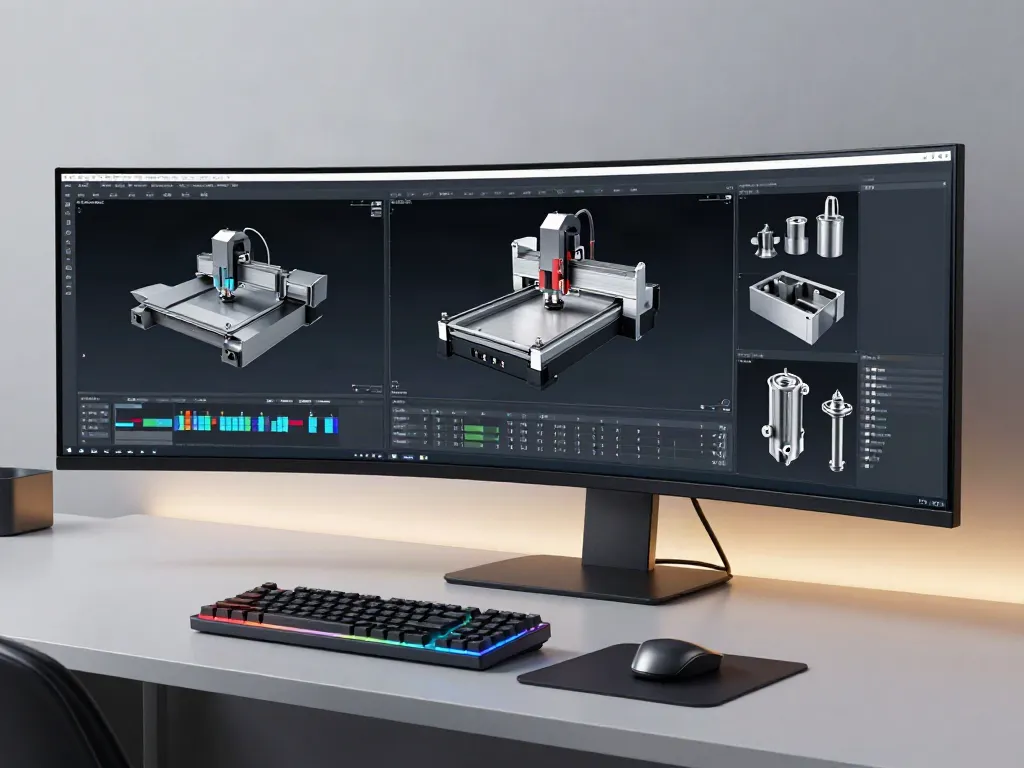
CNC (Computer Numerical Control) machining is a modern manufacturing process that uses pre-programmed computer software to control the movement of machinery and tools. This technology allows for high precision in the fabrication of components. The CNC process typically involves three primary steps: programming, machining, and finishing. During programming, the design of the part is created using CAD software, which is then translated into machine language for the CNC machine to follow.
The machining phase is where raw materials are cut, shaped, or otherwise transformed into the desired geometry. Finally, finishing processes may include polishing, coating, or other treatments to achieve the required surface finish and additional functional properties.
Benefits of Stainless Steel in Manufacturing
Stainless steel is chosen in manufacturing for its remarkable properties, such as corrosion resistance, high tensile strength, and aesthetic appeal. These features are vital, especially in industries where sanitation and durability are paramount, such as medical and food processing. Stainless steel parts are robust enough to withstand high-nitrogen processing environments and are often favored for their biocompatibility in medical devices.
Applications Across Various Industries
CNC stainless steel parts find applications across diverse sectors. In the medical field, these components play crucial roles in creating surgical instruments and implantable devices; there, sterility and corrosion resistance are critical. The food processing industry benefits from stainless steel because it provides hygienic solutions that endure harsh cleaning processes while maintaining integrity over time. In the chemical industry, stainless steel parts can endure severe conditions, resisting highly corrosive chemicals.
Choosing Quality Materials: Stainless Steel Grades
304 vs. 316 Stainless Steel: Key Differences
Understanding the various grades of stainless steel is pivotal for selecting the right material for specific applications. Grade 304 stainless steel, often referred to as the most versatile, is commonly used for a broad range of applications, while Grade 316 is typically chosen for more demanding environments due to its enhanced resistance to pitting and corrosion from chloride exposure. Understanding these differences will help you select the appropriate material based on environmental exposures and mechanical demands.
Corrosion Resistance and Its Importance
The corrosion resistance of stainless steel, particularly in its high-grade forms, is one of the central reasons for its popularity. For instance, 316 stainless steel contains an additional molybdenum content that offers superior protection against corrosive environments, making it ideal for marine applications and chemical processing. This characteristic of stainless steel is essential for not only maintaining functionality but also extending the lifespan of the equipment.
Choosing the Right Grade for Your Parts
Choosing the correct stainless steel grade can dictate the efficacy and longevity of the parts produced. It is crucial to evaluate not only the mechanical properties required but also the environmental factors to which these components will be subjected. For instance, in pharmaceutical applications where sterility is a must, the use of 316L grade stainless steel would be favored due to its lower carbon content, which reduces the risk of carbide precipitation and enhances biocompatibility.
Advanced CNC Machining Techniques
Utilizing CAD/CAM Software in Design
The implementation of advanced CAD (Computer-Aided Design) and CAM (Computer-Aided Manufacturing) software has revolutionized the design and production processes in CNC machining. CAD software enables engineers to accurately draft components with precision, while CAM software translates these designs into machine instructions. These tools allow manufacturers to visualize, iterate, and refine their designs rapidly, significantly reducing lead times.
Handling Complex Geometries and Tolerances
CNC machining is renowned for its capacity to handle complex geometrical forms and tight tolerances. Utilizing multi-axis machining strategies can facilitate the production of intricate designs that previously were challenging or impossible with conventional methods. This proficiency increases the efficiency of production and reduces the likelihood of errors.
Innovative Machining Strategies for Efficiency
Among the innovative strategies being employed in CNC machining is adaptive machining, which adjusts cutting parameters in real-time based on feedback from the machining process. Such strategies enhance efficiency by optimizing tool paths and reducing waste. Additionally, employing high-speed machining can further speed up production times while maintaining the integrity and precision of machined components.
Quality Control Measures in CNC Manufacturing
Standards for Precision and Accuracy
In the realm of CNC machining, precision and accuracy are not just desirable traits; they are critical. Modern practices involve adhering to stringent quality control standards such as ISO 9001. This framework ensures that all aspects of the manufacturing process, from raw material selection to final inspection, meet rigorous quality benchmarks.
Implementing Rigorous Testing Protocols
Quality assurance extends beyond the machining process; rigorous testing protocols are essential to verify the integrity of the parts produced. Examples include dimensional inspections, mechanical property evaluations, and non-destructive testing methods to ensure that the components perform reliably under operational conditions.
Ensuring Compliance with Industry Regulations
Compliance with industry-specific regulations is imperative, especially in sectors like aerospace, medical, and food processing. Manufacturers must stay updated on legislation relating to material safety, environmental impact, and operational safety to ensure that their processes and products adhere to federal and international standards.
Future Trends in CNC Machining
Integration of AI and Machine Learning
The future of CNC machining is being shaped significantly by artificial intelligence (AI) and machine learning (ML). These technologies can optimize machining parameters through predictive analytics, thereby improving efficiency and reducing downtime. By harnessing the power of real-time data, manufacturers can anticipate maintenance needs and proactively manage machining schedules.
Advances in Material Technologies
Emerging materials are set to revolutionize CNC machining capabilities. Advanced composites and high-performance alloys, which promise enhanced durability and lower weight, are entering the market, necessitating continuous evolution in machining strategies to accommodate their unique properties.
Sustainability in CNC Manufacturing
Sustainability is becoming increasingly important in the manufacturing sector. Implementing eco-friendly practices, such as reducing waste during machining and utilizing sustainable materials, can lead to a positive impact on the environment while satisfying a growing consumer base that prioritizes sustainability. Companies focusing on sustainable practices not only enhance their corporate image but also adhere to stricter industrial regulations.
FAQs on CNC Stainless Steel Parts
What are common applications for CNC stainless steel parts?
CNC stainless steel parts are widely utilized across various industries, including medical instrumentation, food processing equipment, aerospace components, and automotive parts. Their biocompatibility, corrosion resistance, and structural integrity make them suitable for applications requiring high reliability.
How do I select a reliable CNC stainless steel parts supplier?
When selecting a CNC stainless steel parts supplier, consider their experience, certifications, and customer service record. Evaluate their manufacturing capabilities, quality control protocols, and lead times. Reviewing customer testimonials can also provide insight into their reliability and service quality.
What is the typical lead time for custom CNC machining orders?
Lead times for custom CNC machining orders can vary based on factors like material availability, complexity of the components, and the supplier’s production capacity. Typically, lead times can range from a few days to several weeks, depending on the specifics of the order.