Understanding the Role of a Water Treatment Equipment Supplier
In today's industrial landscape, selecting the right Water Treatment Equipment Supplier is crucial for ensuring operational efficiency and compliance with environmental standards. Water treatment systems play a vital role in a wide range of industries, from chemical manufacturing to food processing, where the purity of water can directly impact product quality and regulatory adherence.
What Makes a Supplier Stand Out?
When evaluating water treatment equipment suppliers, several factors determine their standing in the market. Key criteria include the quality of products offered, technological advancements, customer service levels, and their commitment to sustainability. Leading suppliers invest in research and development to provide innovative solutions that address the evolving challenges faced by various industries.
Key Industry Applications for Water Treatment Equipment
Water treatment equipment finds applications across multiple sectors, including:
- Chemical Industry: Ensuring water purity for chemical processes.
- Food and Beverage: Maintaining high hygiene and safety standards.
- Textiles: Reducing water pollution from dyeing and finishing processes.
- Power Generation: Cooling systems require pristine water for efficiency.
- Municipal Water Treatment: Providing safe drinking water to communities.
With a focus on diverse applications, water treatment equipment suppliers must be adept at customizing solutions to meet specific industry needs.
Trends in Water Treatment Equipment Supply
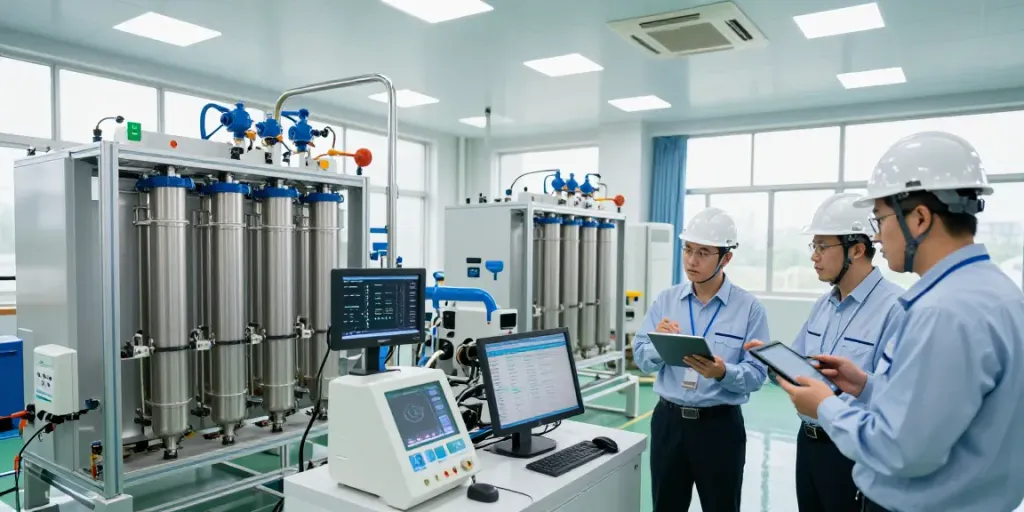
As environmental regulations tighten, the water treatment equipment industry is experiencing several trends. There is a significant shift towards modular systems that enable scalability and flexibility. Suppliers are also increasingly integrating IoT technologies for real-time monitoring and management of water quality, which allow for predictive maintenance and operational efficiency.
Benefits of Modular Water Treatment Systems
Modular water treatment systems offer numerous advantages, making them an attractive option for industries that require adaptable solutions. These systems are characterized by their ease of assembly, transportation, and scalability, addressing the needs of various user scenarios.
Advantages of Modular Design
The modular design enables quick deployment and easy expansion. Unlike traditional water treatment facilities, which can take years to establish, modular units can be up and running in significantly less time. This is particularly advantageous for industries needing immediate solutions, such as mining or disaster recovery operations.
Scalability for Different Industrial Needs
With modular systems, businesses can start with a small setup and scale up as demands increase. This adaptability is essential in industries like construction or agriculture, where water needs can fluctuate significantly.
Cost-Effectiveness and Timely Implementation
Cost-effectiveness is another critical benefit. Modular systems often require lower initial investments and can reduce labor and operational costs due to quicker installations and less downtime. Moreover, their design minimizes waste and resource consumption, contributing to overall sustainability.
Integrated Chemical Process Systems: The Future of Water Treatment
Among the cutting-edge innovations in the sector, integrated chemical process systems are redefining how industries approach water treatment. These systems are engineered for precision and reliability, optimizing chemical dosing to enhance treatment effectiveness.
Cutting-Edge Features of Integrated Systems
Integrated systems utilize advanced sensor technologies and intelligent control algorithms, ensuring that chemical dosing is not only accurate but also adaptable to varying conditions. This technology enhances safety and compliance with environmental regulations, enabling industries to operate without the fear of regulatory penalties.
Real-World Applications and Success Stories
Companies that have adopted integrated chemical process systems report significant improvements in operational efficiency and compliance. For example, a textile manufacturer reduced its chemical use by 30% while improving water quality, showcasing how integrated systems can support sustainable practices.
Comparing Traditional vs. Integrated Approaches
Traditional systems often rely on manual interventions and less sophisticated monitoring, leading to inefficiencies and higher operational risks. In contrast, integrated approaches provide automation and continuous feedback, promoting a more responsive and efficient water treatment process.
Choosing the Right Water Treatment Equipment Supplier
Finding the right supplier is as important as choosing the right equipment. The right supplier can offer tailored solutions that align with specific industrial needs and regulatory requirements.
Checklist for Supplier Evaluation
- Assess product quality and compliance with industry standards.
- Evaluate the supplier's experience and expertise in specific applications.
- Consider their support and service offerings.
- Look for a commitment to sustainability and innovation.
- Review customer testimonials and case studies.
Common Misconceptions and Challenges
Many potential buyers underestimate the importance of after-sales support and maintenance services, assuming that equipment installation is the final step. In reality, ongoing support is critical for ensuring system longevity and compliance with evolving regulations.
Evaluating Supplier Credibility with Case Studies
Investigating a supplier's past projects can provide insights into their capacity to meet customer needs. Successful case studies often demonstrate problem-solving abilities and innovation, two key indicators of a reliable supplier.
Future Trends in Water Treatment Equipment
The landscape of water treatment equipment will continue to evolve, influenced by technological advancements and regulatory changes. Understanding these emerging trends can help businesses stay ahead of the curve.
Predictions for 2026 and Beyond
By 2026, the demand for smart water management solutions will likely surpass traditional systems. As industries increasingly embrace digital transformation, solutions incorporating AI and machine learning for predictive analytics are expected to become mainstream.
Innovative Technologies on the Horizon
Future technologies may include enhanced filtration methods and real-time water quality monitoring via smart sensors, greatly improving operational efficiencies and compliance reporting.
Environmental Regulations and Their Impact on Suppliers
As environmental regulations become more stringent, suppliers will need to demonstrate their commitment to producing eco-friendly systems. This shift will likely influence supply chains and the development of new technologies in the water treatment sector.
What are the largest water treatment companies?
Companies like Veolia, SUEZ, and Xylem have established themselves as major players in the water treatment sector. They are continually innovating to meet global water demand sustainably.
How to start a water treatment business?
Starting a water treatment business requires a solid understanding of regulations, market needs, and technologies available in the industry. A comprehensive business plan that addresses these areas is essential for success.
What are the top 5 water treatment companies in the world?
Leading companies include Veolia, SUEZ, Xylem, Aqua America, and Thermo Fisher Scientific, each known for their innovative solutions and contributions to sustainable water management.
How does modular water treatment work?
Modular water treatment systems operate on the principle of pre-fabricated units that can be quickly assembled and adapted to various treatment needs, providing flexibility and cost savings.
What are the key benefits of using integrated systems?
Integrated systems offer precision, efficiency, and compliance advantages. They reduce the need for manual oversight and optimize chemical dosing, resulting in better water quality and operational cost reductions.